

OpenGradient (OPG) represents a pioneering blockchain-native platform designed to integrate artificial intelligence with decentralized infrastructure. It enables the hosting of open-source AI models, secure and verifiable inference, and the deployment of AI agents directly onchain. By addressing key limitations in both AI centralization and blockchain computational constraints, OpenGradient aims to create a transparent, permissionless ecosystem for high-performance AI computing.
Read more: What Is Gitcoin (SM) Marketplace for Open-Source Development and ERC-20 Governance?
Key Takeaways
- OpenGradient is an EVM-compatible blockchain network optimized for verifiable AI inference, featuring a Hybrid AI Computing Architecture (HACA) that combines GPU nodes, zkML proofs, and trusted execution environments (TEEs).
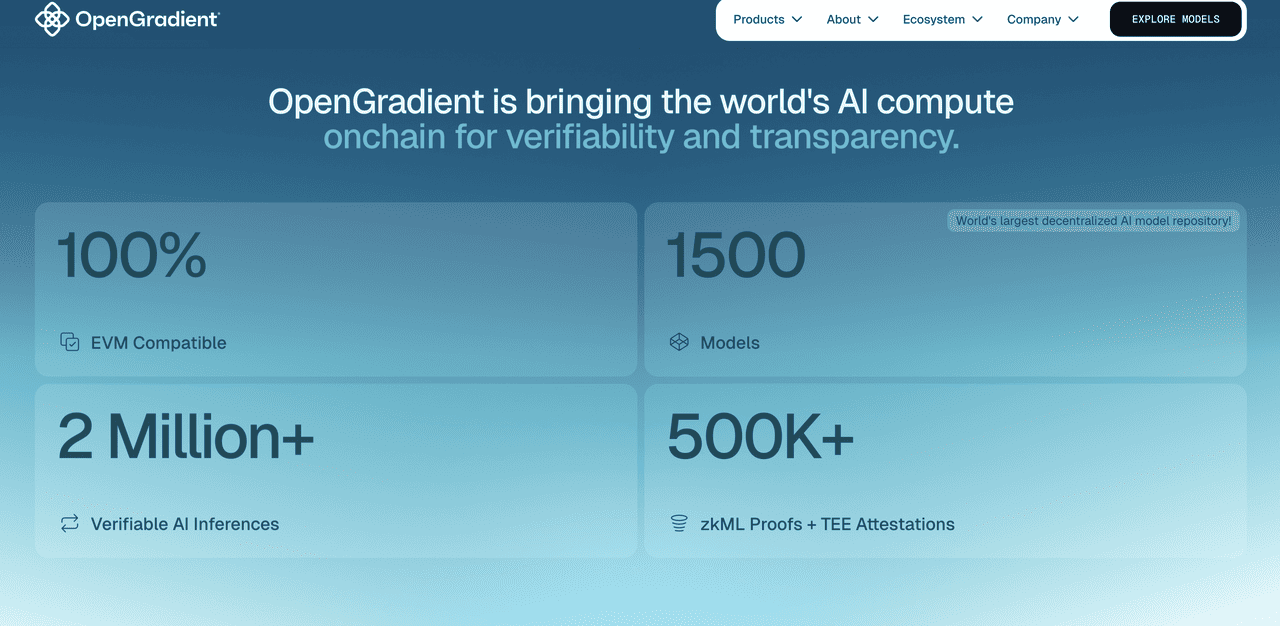
- The project has achieved notable milestones, including over 2,000 AI models hosted, more than 2 million verifiable AI inferences, and 500,000+ zkML proofs plus TEE attestations.
- Backed by leading investors, OpenGradient raised $9.5 million in total funding, including an $8.5 million seed round supported by a16z crypto, Coinbase Ventures, SV Angel, Foresight Ventures, and angel investors such as Balaji Srinivasan, Illia Polosukhin, and Polygon's Sandeep Nailwal.
- The native OPG token powers the network with a fixed total supply of 1 billion tokens and serves utilities including payments for AI inference, staking, governance, and ecosystem incentives.
- As a top trading venue, BingX offers seamless access to OPG on its spot market, providing users with competitive fees, high liquidity, and secure trading options for this emerging AI-blockchain project.
Read more: What Is Smart Tools (SM) Ultimate Web3 Utility Suite and How to Buy It on BingX?
What Is OpenGradient (OPG) AI Blockchain Network?
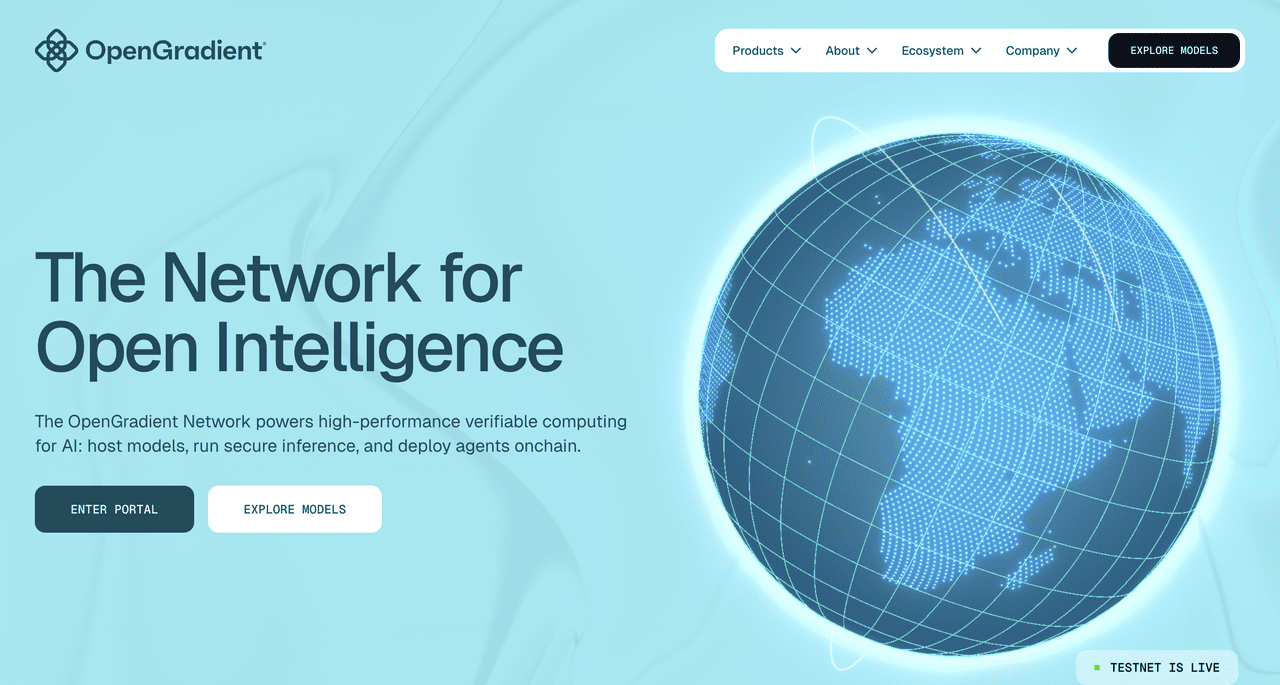
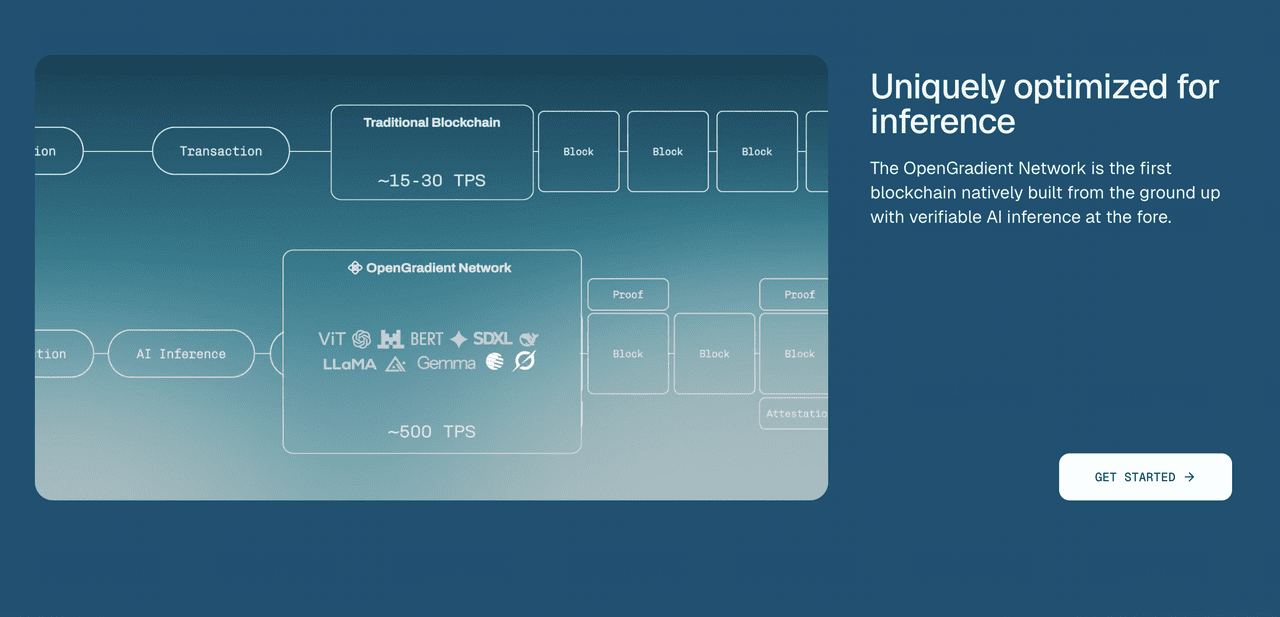
OpenGradient is the first decentralized platform built from the ground up for hosting open-source AI models, executing secure inference, running agentic reasoning, and deploying AI applications onchain. It functions as a specialized compute layer that brings verifiable AI directly into blockchain environments, allowing developers to call AI models via simple function calls in Solidity smart contracts through precompiles. This maximizes composability while ensuring transparency and security.
The project was co-founded by Matthew Wang (CEO), a research engineer at Two Sigma with a background in quantitative modeling and machine learning from Northwestern University, and Adam Balogh (CTO), former head of the AI platform at Palantir Technologies with a Master's in Advanced Computing from Imperial College London. The team, headquartered in New York City, draws talent from companies including Google, Coinbase, Ripple, Intel, and Palantir.
OpenGradient emerged publicly in October 2024 after operating in stealth mode. It completed its seed funding in October 2024 and announced total funding of $9.5 million. The testnet opened to developers in Q4 2024, with mainnet activities and token generation event (TGE) progressing into 2026. The network runs as an EVM-compatible layer, initially deployed elements on Base, and emphasizes heterogeneous architecture to overcome traditional blockchain VM limitations and high costs of AI hosting.
Read more: What Are the Top 10 AI Crypto Projects to Watch in 2026?
What Are the Key Features of OpenGradient (OPG)?
OpenGradient stands out through several innovative components tailored for blockchain-AI integration:
- Hybrid AI Computing Architecture (HACA): A proprietary system using node specialization for scalable, secure on-chain AI workflows. It supports inference, agent execution, statistical analysis, and data processing via smart contracts, combining zkML for zero-knowledge proofs and TEEs for confidential compute.
- Model Hub: A decentralized, censorship-resistant repository akin to a Web3 version of Hugging Face. Developers can upload, download, and access thousands of open-source models stored in a permissionless file system. The platform currently hosts over 2,000 models.
- OG SDK and SolidML or NeuroML: Tools including a Python SDK for seamless model access, secure inference, and proof retrieval. SolidML enables integration for use cases such as DeFi risk analysis, AMM dynamic fee optimization, DePIN reputation systems, sybil resistance, and AI agent development.
- Verifiable and High-Performance Inference: Direct on-chain access to AI models eliminates reliance on vulnerable off-chain oracles. The network has processed over 2 million verifiable inferences, backed by 500,000+ zkML proofs and TEE attestations for trust-minimized execution.
- Ecosystem of On-Chain AI Agents: Supports a growing suite of AI applications and autonomous agents built for high-performance, confidential compute, enhancing Web3 protocols in areas like risk management and mechanism design.
- 100% EVM Compatibility: Ensures easy integration with existing Ethereum tooling and smart contracts while providing specialized precompiles for AI calls.
These features position OpenGradient as a foundational infrastructure for decentralized AI, solving issues like centralized model control, computational bottlenecks, and lack of verifiability in Web3.
Read more: What Are the Top 10 Base AI Agent Projects to Know in 2026?
What Are the Tokenomics of OPG Token?
The OPG token is the native utility and governance asset of the OpenGradient Network. It facilitates payments for verifiable AI inferences, unlocks premium features in ecosystem applications, enables staking for network security and rewards, and supports governance decisions. Every verified AI call on the network settles in OPG, creating direct demand tied to usage without intermediaries.
Key tokenomics details include:
- Total Supply: Fixed at 1,000,000,000 OPG (non-inflationary; no additional minting).
- Circulating Supply: Approximately 190,000,000 OPG (19% of total) as of recent data.
OPG Token Allocation Breakdown:
- Ecosystem & Community: 40% (400 million tokens) - 10% unlocked at TGE, remainder vested linearly over 60 months.
- Foundation: 15% (150 million tokens) - 33.33% at TGE, remainder over 48 months.
- Core Contributors: 15% (150 million tokens) - 12-month cliff, then 36-month linear vesting.
- Investors + Advisors: 10% (100 million tokens) - 12-month cliff, then 36-month linear vesting.
- Staking Rewards: 10% (100 million tokens) - linear unlock over 96 months.
- Liquidity Provisioning & Launch: 6% (60 million tokens) - fully unlocked at TGE.
- Airdrop: 4% (40 million tokens) - fully unlocked at TGE.
The token launched via TGE mechanisms including a Binance Wallet and PancakeSwap event on April 21, 2026, with airdrop claims opening concurrently. Approximately 60% of supply targets community and ecosystem growth, promoting broad participation. OPG trades actively across platforms, with strong 24-hour volumes reflecting market interest in verifiable AI infrastructure.
Read more: What Is Monad (MON), the EVM-Compatible Layer-1 Blockchain?
What Is the OpenGradient Airdrop and How to Claim OPG tokens?
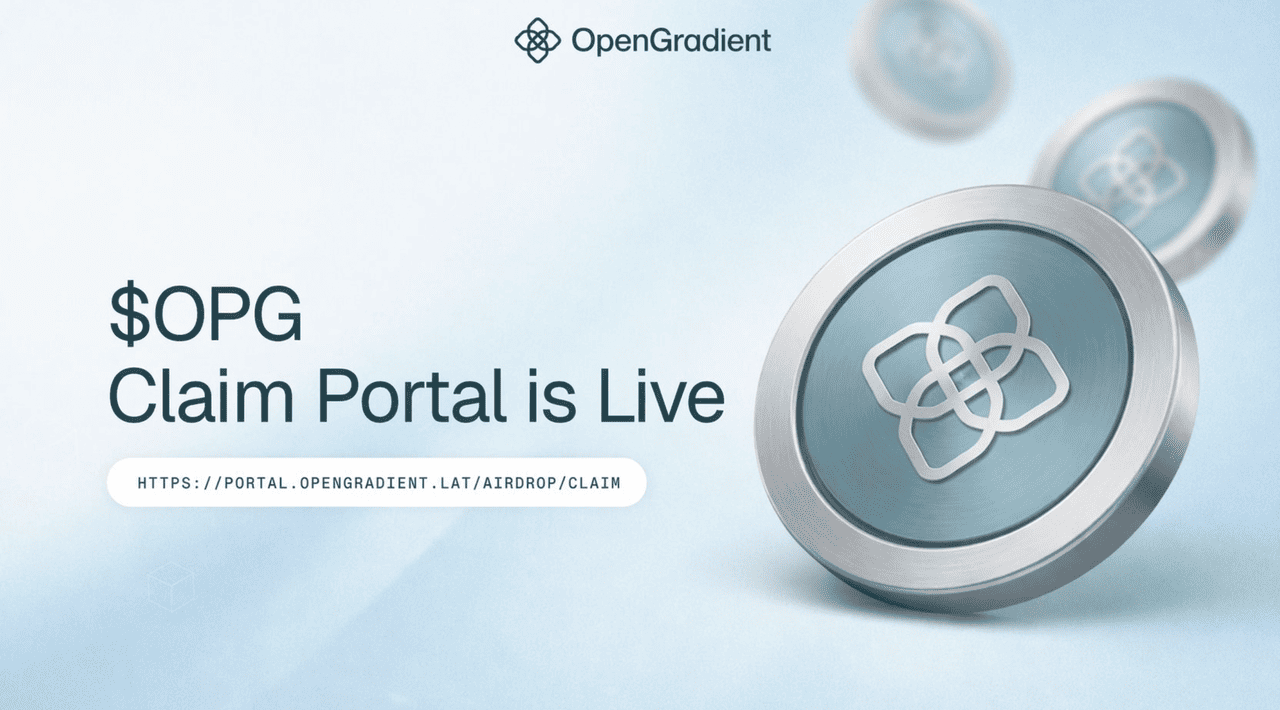
The OpenGradient (OPG) airdrop is a community reward program that allocates 4% of the total 1 billion OPG token supply equaling 40 million tokens to early supporters and contributors of the verifiable AI compute network. These tokens are 100% unlocked at the Token Generation Event (TGE) on April 21, 2026 and are distributed based on participants eligible on-chain activity testnet usage community engagement and other ecosystem contributions. The airdrop rewards users who helped build the decentralized AI infrastructure with claims processed directly to a connected Base network wallet.
Here is the guide to claim your OPG airdrop tokens:
1. Visit the official OpenGradient portal. Always double check the URL to avoid phishing sites).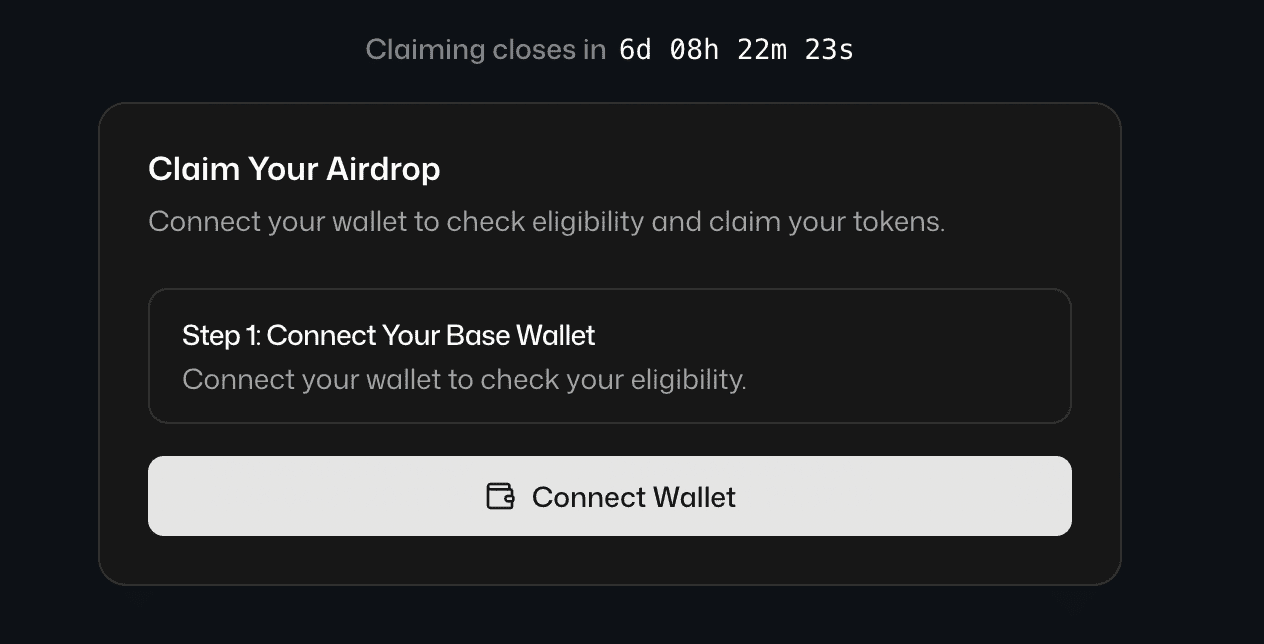
2. Connect the same Base network wallet you used during the registration period (April 15 to 20 2026). Ensure your wallet has the Base network added.
3. The portal will automatically check your eligibility and display your allocated OPG amount.
4. If eligible, click the Claim button to receive your tokens directly into your connected wallet. The tokens will be sent to the Base network.
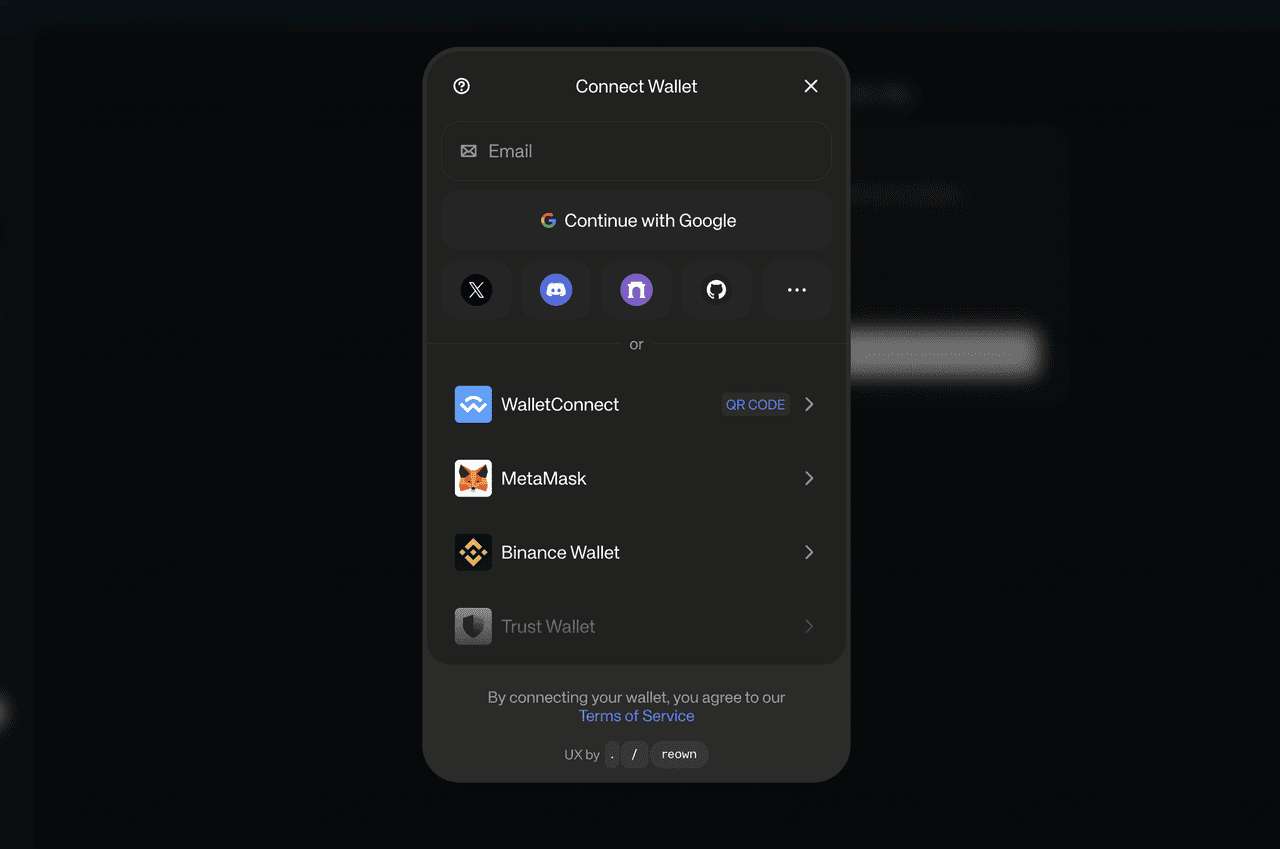
5. Confirm the transaction in your wallet and wait for on-chain confirmation.
Important Notes:
The claim window is open from April 21 to April 28, 2026. Unclaimed tokens after this deadline may be returned to the ecosystem treasury.
Only use the official portal, never share your seed phrase or connect to suspicious links.
After claiming you can trade OPG on exchanges like BingX Spot Market for liquidity and flexibility. Always verify the latest updates directly on the official portal or OpenGradient's X account as timelines and processes can be subject to final adjustments. Trade responsibly and consider market conditions.
Learn more about how to claim OpenGradient airdrop in our detailed step-by-step guide
How to Buy OPG on BingX Spot Market: Step-By-Step Guide
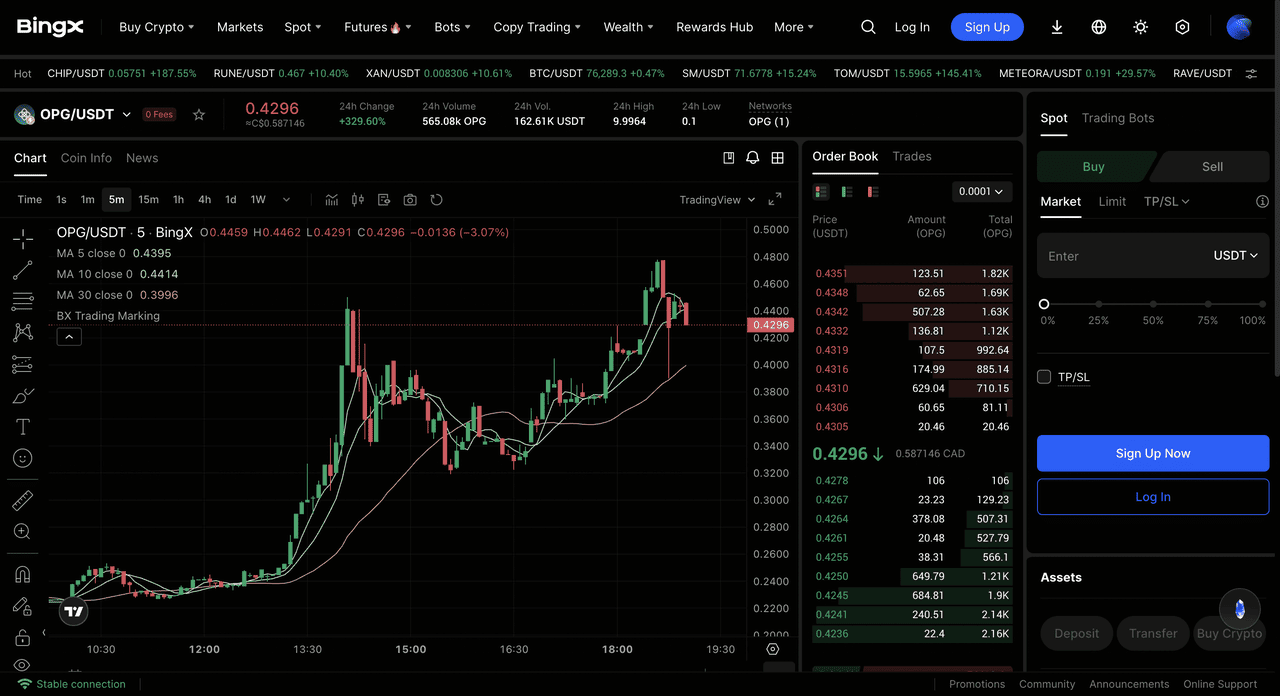
OPG/USDT on BingX Spot
You can access OPG through the spot market and use them within their respective ecosystems. Here's a step-by-step guide on how to buy OPG on BingX Spot Market:
Step 1: Log in or Create a BingX Account
Log in to your BingX account. If you don't have one, you can register using an email or mobile number. Completing identity verification (KYC) is required for full access to trading features.
Step 2: Deposit Funds
Go to the Buy Crypto section to deposit funds into your account. BingX supports several payment options such as bank transfer, credit or debit card, and peer-to-peer (P2P) transactions.
Step 3: Find the OPG/USDT Pair
Navigate to the Spot trading section and search for OPG/USDT and select the pair to view the trading interface. Use BingX AI tools to analyze OPG trends and make smarter trading decisions.
Step 4: Place Your Order
Choose between a Market Order to buy at the current price or a Limit Order to set your preferred entry. Enter the amount and confirm the order.
Conclusion: Why You Should Trade OPG on BingX
OpenGradient addresses a critical convergence of AI and blockchain by delivering verifiable, decentralized compute that empowers developers and users with transparent, high-performance AI tools. With substantial funding from top-tier investors, impressive on-chain metrics, and a utility-driven token model, OPG holds strong potential in the expanding decentralized AI sector.
BingX stands out as the top choice for trading OPG due to its intuitive interface, high liquidity on the OPG/USDT pair, promotional zero-fee periods, and commitment to user security. Whether you are exploring early-stage opportunities or integrating AI-themed assets into your portfolio, BingX provides a reliable, efficient platform to buy, sell, and manage OPG. Start trading today to participate in the future of on-chain intelligence.
Related Reading
- What Is Monad (MON), the EVM-Compatible Layer-1 Blockchain?
- What Are the Best Ways to Convert Ethereum (ETH) to USD in 2026?
- What Are the 10 Best ERC-20 Wallets to Secure and Store Ethereum Tokens? (2026 Guide)
- What Is Linea, the Ethereum Layer‑2 Network by ConsenSys?
- What Are the Top Ethereum Layer-2 Projects of 2025?
