1j yang lalu
ASTEROID Memecoin Rockets 68,000% After Musk's Two-Word Replies Spark Frenzy
ASTEROID, a memecoin tied to an unusually emotional backstory, has exploded more than 68,000% over the past week. The token briefly pushed past a $100 million market capitalization and logged over $100 million in 24-hour trading volume, turning a resurfaced internet story into one of crypto's most extreme short-term moves in years.
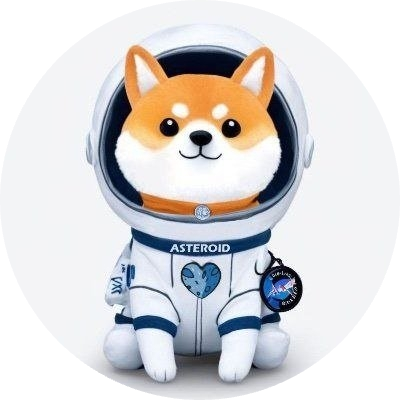
Unlike typical meme tokens built around dogs or cartoons, ASTEROID draws its identity from a Shiba Inu plush toy created by Liv Perrotto, a 15-year-old who died after a battle with cancer. Her design was used as a zero-gravity indicator on a space mission. Before her death, Perrotto made a request to Elon Musk: “Can you make Asteroid the mascot for SpaceX?”
The story began circulating widely online earlier this week and quickly spread across social platforms. When Musk was tagged, he responded publicly: “Will answer shortly.” Traders took that as a catalyst. Within hours, ASTEROID's market cap jumped from roughly $50,000 to more than $20 million as speculators positioned for a follow-up.
Musk later replied with a single word: “Ok.” The token then went parabolic, with market participants interpreting the post as agreement to the mascot idea. The narrative proved powerful enough to sustain demand well beyond what most meme-driven rallies typically manage.
On-chain data highlighted by Lookonchain suggests outsized wins for early entrants:
- One trader reportedly turned 1 ETH into about $470,000 within hours
- Another held through 580 days of near-zero value, seeing roughly $21,000 swell to about $392,000
- Some traders converted a few hundred dollars into $1 million-plus within days
CoinGecko data points to an exceptional move by normal market standards:
- About 68,000% up in one week
- Market cap rising from around $50,000 to above $100 million at the peak
- Roughly $100 million in 24-hour trading volume at the height of activity
The surge delivered windfall gains to early holders and steep losses to buyers who entered near the top.
ASTEROID illustrates a familiar crypto dynamic: grief, internet culture, and speculative positioning combining to drive extreme price action, often detached from fundamentals. The token has no formal link to SpaceX, no confirmed endorsement beyond two informal social media replies, and no assurance that Musk's posts will translate into official action. For now, the market has priced the story in real time. What happens next—stability, fade, or collapse—hinges on a narrative that remains outside anyone's full control.
 ETH-1.89%
 BTC-0.66%
 SOL-0.87%
 ASTEROIDETH+36.60%
 TOM-18.40%
 XRP-0.52%
 RAVE-71.13%
 USDC-0.01%